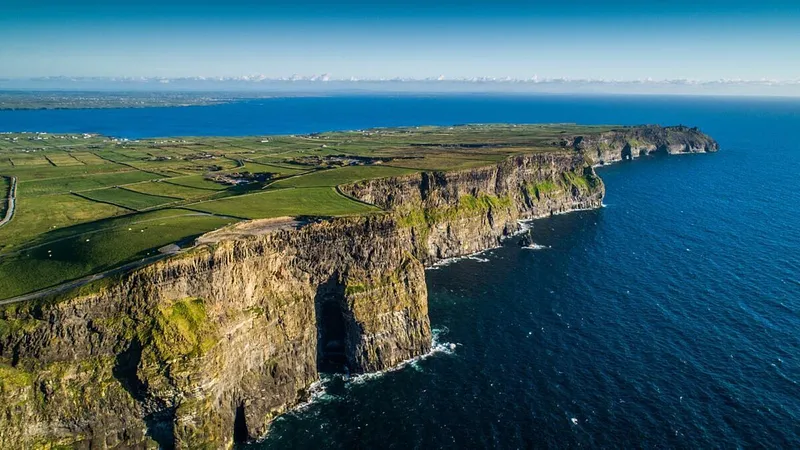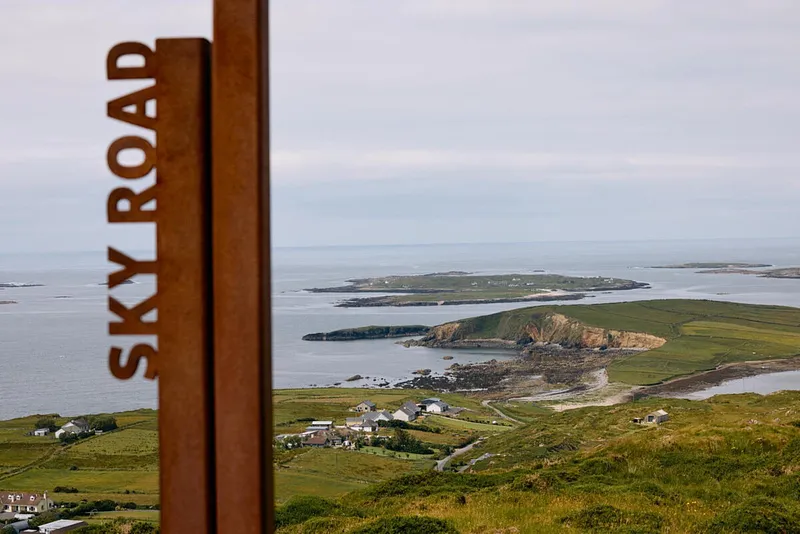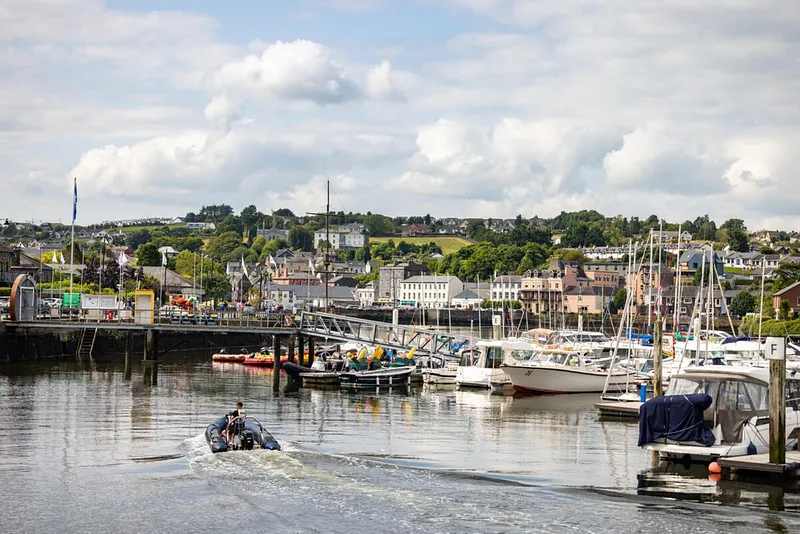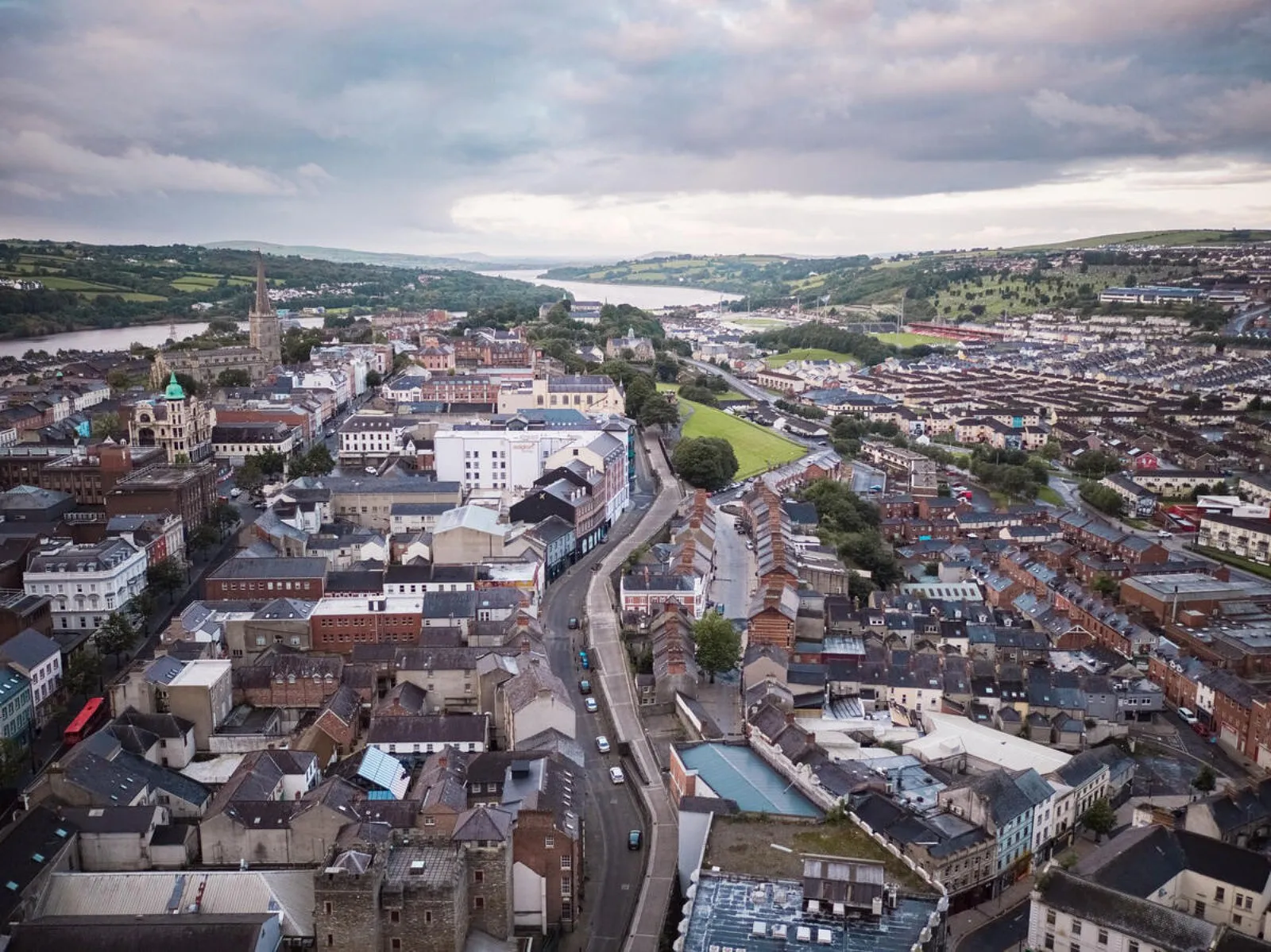
Ireland (the Republic of Ireland) is an independent country in the EU that uses the euro, while Northern Ireland is part of the United Kingdom and uses the pound sterling. There are no checkpoints at the border, so you can drive between them without stopping, but most visitors now need a UK ETA (£20) to enter Northern Ireland, even on a day trip. Speed limits switch from km/h to mph, and your phone may switch networks.
What is the difference between Ireland and Northern Ireland?
The island of Ireland has 32 counties.
- Republic of Ireland: 26 counties, including Dublin, Galway, Kerry and Donegal. An independent state and EU member. Uses the euro.
- Northern Ireland: 6 counties, including Antrim (home of Belfast and the Giant’s Causeway) and Derry/Londonderry. Part of the United Kingdom. Uses the pound sterling.
For a visitor, the island works as one place. Tourism Ireland markets both together, the scenery runs straight across the border, and many tours from Dublin include Belfast or the Causeway Coast. The differences are mostly practical, and they are all covered below.
Is there a border, and what happens when you cross?
There is no hard border. The UK government says you will never go through immigration control at the land border between Ireland and Northern Ireland, per GOV.UK. Ireland and the UK share the Common Travel Area.
In practice, you notice you have crossed because:
- Road signs change from km/h to mph
- Road markings and sign colours change
- Your phone may get a “Welcome to the UK” text
- Prices in shops are in pounds
No one checks passports at the land border, but carry yours anyway. You still need the right permission to be in the UK, and you will need it to check in at hotels and to fly from Belfast.
Do you need a UK ETA to visit Northern Ireland?
Most visitors do. Since 2025, people from visa-free countries, including the United States, Canada and Australia, need a UK Electronic Travel Authorisation to visit Northern Ireland, whether they arrive directly or cross from the Republic, according to Tourism Ireland.
The key facts:
- It costs £20 per person, including children, and is non-refundable.
- It is valid for 2 years or until your passport expires, for multiple trips.
- Most decisions arrive within minutes, but allow 3 working days.
- Apply only through the official GOV.UK ETA page or the UK ETA app. Lookalike sites charge extra.
- Exempt: British and Irish citizens, and legal residents of Ireland from countries that do not normally need a UK visa.
Even if Belfast is not on your plan, you may still need one. The fastest roads from Dublin to Donegal pass through Northern Ireland (through Fermanagh, or through Armagh and Tyrone), so on those routes you cross the border twice.
Apply for your ETA when you book your flights. It is quick, it lasts 2 years, and it stops a day trip to Belfast or the Giant’s Causeway from becoming a problem.
What changes with money?
- Currency: euros in the Republic, pounds in Northern Ireland, per Tourism Ireland.
- Banknotes: Northern Ireland has its own sterling notes, issued by Bank of Ireland (UK), Danske Bank and Ulster Bank, as well as Bank of England notes, per the Bank of England.
- Cards: Visa and Mastercard work on both sides. On a day trip, you may not need any pounds at all.
- Prices: attraction prices are in pounds. Titanic Belfast costs £24.95 online for adults and the Giant’s Causeway visitor centre £15.
- VAT refunds: the Irish Retail Export Scheme applies to goods bought in the Republic. Shopping in Northern Ireland falls under UK rules, so ask in the shop.
Our full guide is money, cards and tipping in Ireland and Northern Ireland.
What changes when you drive?
Speed limits switch units. In the Republic, limits are in km/h, and the default on rural local roads is now 60 km/h (about 37 mph), per gov.ie. In Northern Ireland, limits are in mph: 30 mph in built-up areas, 60 mph on single carriageways and 70 mph on dual carriageways and motorways, per nidirect.
Watch this as you cross. A sign showing 100 in the Republic means 100 km/h (62 mph). A sign showing 60 in Northern Ireland means 60 mph (97 km/h).
Rental cars. Tell your rental company if you plan to cross the border. Some charge a cross-border fee or need to know in advance, so check the terms before you book, and see renting a car in Ireland.
Everything else is the same. You drive on the left on both sides, and the road rules are similar. Our driving in Ireland tips apply to the whole island.
Phones, plugs and emergencies
- Plugs: the same Type G 3 pin plug at 230 volts on both sides, per Go To Ireland.
- Emergencies: dial 112 or 999 on either side. Both are free from any phone, per gov.ie.
- Phone codes: +353 for the Republic, +44 for Northern Ireland.
- Mobile data: near the border your phone can jump between Irish and UK networks, even on the Irish side. If you use an Irish or EU SIM or eSIM, check whether it includes UK roaming. If you use a US plan, check that both Ireland and the UK are covered.
Getting between Dublin and Belfast
- Train: the Enterprise runs hourly between Dublin Connolly and Belfast Grand Central, per the Irish Times, and takes a little over 2 hours.
- Car: about 166 km (103 miles) on the M1 motorway, usually around 2 hours.
- Guided day trip: the easiest way to combine Belfast with the Causeway Coast in one day, as the Giant’s Causeway is another hour or so beyond Belfast. Exclusive Tours Ireland runs private Northern Ireland days from Dublin.
For planning, see our Dublin to Belfast day trip and Belfast in a day guides.
Questions people ask
Is Northern Ireland part of Ireland?
Northern Ireland is on the island of Ireland but is part of the United Kingdom, not the Republic of Ireland. It has its own currency (pounds), and UK entry rules apply.
Do you need a passport to go from Dublin to Belfast?
There are no passport checks at the land border. Carry your passport anyway, because most non-Irish and non-British visitors need a UK ETA linked to it to visit Northern Ireland.
Do Americans need an ETA for Northern Ireland?
Yes. Americans need a UK ETA to visit Northern Ireland, even on a day trip from Dublin. It costs £20 and lasts 2 years.
Can you use euros in Northern Ireland?
Not reliably. Northern Ireland uses pounds sterling. Cards work on both sides of the border, so you rarely need cash.
Is there a border between Ireland and Northern Ireland?
There is a border, but no checkpoints or immigration controls on the roads. You will notice it mainly when speed signs switch from km/h to mph.
Read next: Dublin to Belfast day trip
Sources
- Travelling between the UK and Ireland, GOV.UK
- Electronic Travel Authorisation, Tourism Ireland
- Apply for an electronic travel authorisation (ETA), GOV.UK
- Money in Ireland, Tourism Ireland
- Scottish and Northern Ireland banknotes, Bank of England
- Prices, Titanic Belfast
- Giant’s Causeway, National Trust
- Retail Export Scheme, Revenue
- Speed limits on rural local roads change from 80km/h to 60km/h, gov.ie
- Speed limits and penalties, nidirect
- Electrical plugs in Ireland, Go To Ireland
- How to contact emergency services in Ireland, gov.ie
- Dublin to Belfast train link expanded to hourly service, Irish Times
- Trains start running from new Belfast Grand Central Station, Irish Times
- Driving distances, Project OSRM (OpenStreetMap routing)
Cover photo: Derry City and Strabane District Council / Tourism Northern Ireland, via Ireland’s Content Pool.
See it with a local guide
Private tours across Ireland, run by the guides themselves. Ask a question or request a date, nothing to pay until they confirm.
Browse tours