Public transport in Ireland works well between big cities and inside Dublin, and poorly in the countryside. Trains and buses link Dublin to Cork, Galway, Kilkenny, Sligo and Belfast, and a Leap card covers Dublin city travel.
Once you leave the main routes, services thin out quickly.
What is the Leap card and do visitors need one?
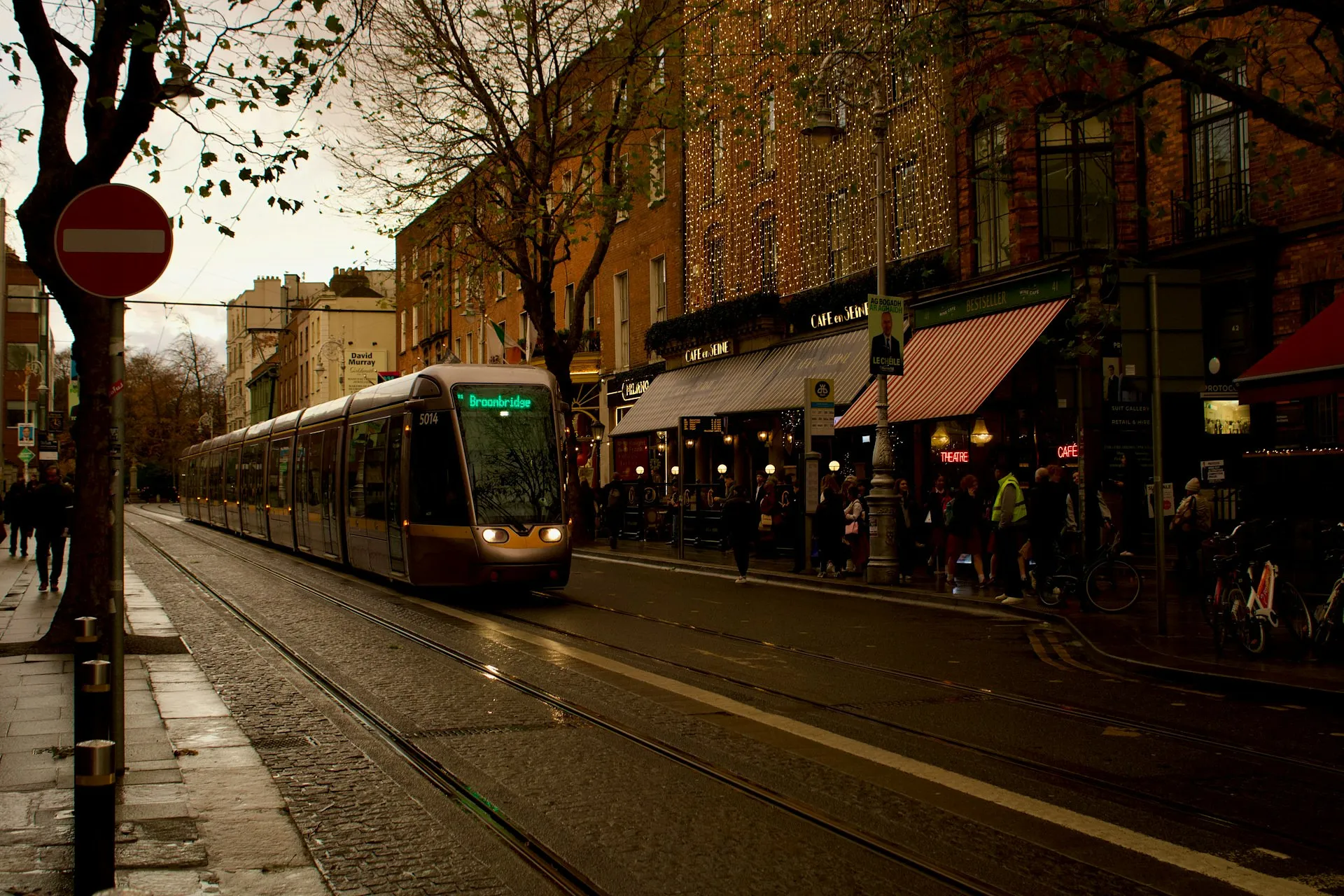
The Leap card is a tap on, tap off travel card for the Dublin area. Visitors can buy a Leap Visitor Card, which Dublin Bus lists at:
- 24 hours: €8
- 72 hours: €18
- 7 days: €24
The period starts from first use. Transport for Ireland says it gives unlimited travel on Dublin City Bus services (Dublin Bus and Go-Ahead Ireland), Luas, DART and commuter rail. It is for the Dublin area, so it will not cover your train to Cork or Galway.
If you will only ride a few times, a standard Leap card can be cheaper. The TFI 90 minute fare is €2.00 for adults in Dublin. It lets you change between Dublin Bus, Luas, and DART or commuter rail inside Zone 1 for 90 minutes. Express and Nitelink buses cost €2.40. Fares are capped at €6.00 a day and €24.00 a week (Monday to Sunday). You must tap on every journey, and tap off on DART, rail and Luas.
Key rule: On Dublin Bus, cash is coins only, and the Dublin Bus airport page says the driver cannot take notes or cards. Carry coins or get a Leap card.
For 1 day in Dublin, walk most of it with our one day in Dublin plan.
How do you get from Dublin Airport to the city?
There is no direct train. Your options are buses and coaches.
- Dublin Bus: The airport hub page lists routes 16, 19, 24 and 41. Route 41 runs around the clock. Cash fare is €2.60. A Leap Visitor Card works.
- Aircoach: Routes 700 and 700X serve the city centre, run 24 hours, and take 20 to 40 minutes. Online fares start from €6 one way, and returns from €12. Check the price when you book.
- Dublin Express: Runs about every 7.5 minutes, and the fastest service reaches the city in as little as 14 minutes. Heuston Station is a stop. A Leap card cannot buy a ticket.
Pick the option that stops nearest your hotel. Our where to stay in Dublin guide helps you choose a base near a stop.
How long do trains take from Dublin?
Irish Rail runs intercity trains from Heuston and Connolly stations. Times below come from its published timetables. Check the day you travel.
| Destination | From | Typical journey time | Notes |
|---|---|---|---|
| Belfast | Connolly | About 2 hours | Enterprise, hourly |
| Cork | Heuston | 2 hours 30 to 50 minutes | Roughly hourly |
| Galway | Heuston | 2 hours 20 to 40 minutes | Some trains run on set days only |
| Kilkenny | Heuston | About 1 hour 30 minutes | Few direct trains, check the timetable |
| Sligo | Connolly | 3 hours 5 to 20 minutes | 6 to 8 trains a day |
| Killarney | Heuston | About 3 hours 20 minutes | Change at Mallow |
Sources for these times are the Irish Rail timetables for Cork, Galway, Kilkenny and Waterford, Sligo and Killarney. The Belfast time is from Seat61.
For Belfast, Irish Rail’s Enterprise page says the train runs hourly, with up to 15 services a day Monday to Saturday and 8 on Sunday. Adult fares start from €13.99 each way. Read Dublin to Belfast day trip if you want to do it in a day.
Does booking ahead make trains cheaper?
Yes, if your plans are fixed. Advance tickets online are cheaper, but you commit to one train and changes are limited, according to Seat61. Walk up fares on the day cost more but let you choose.
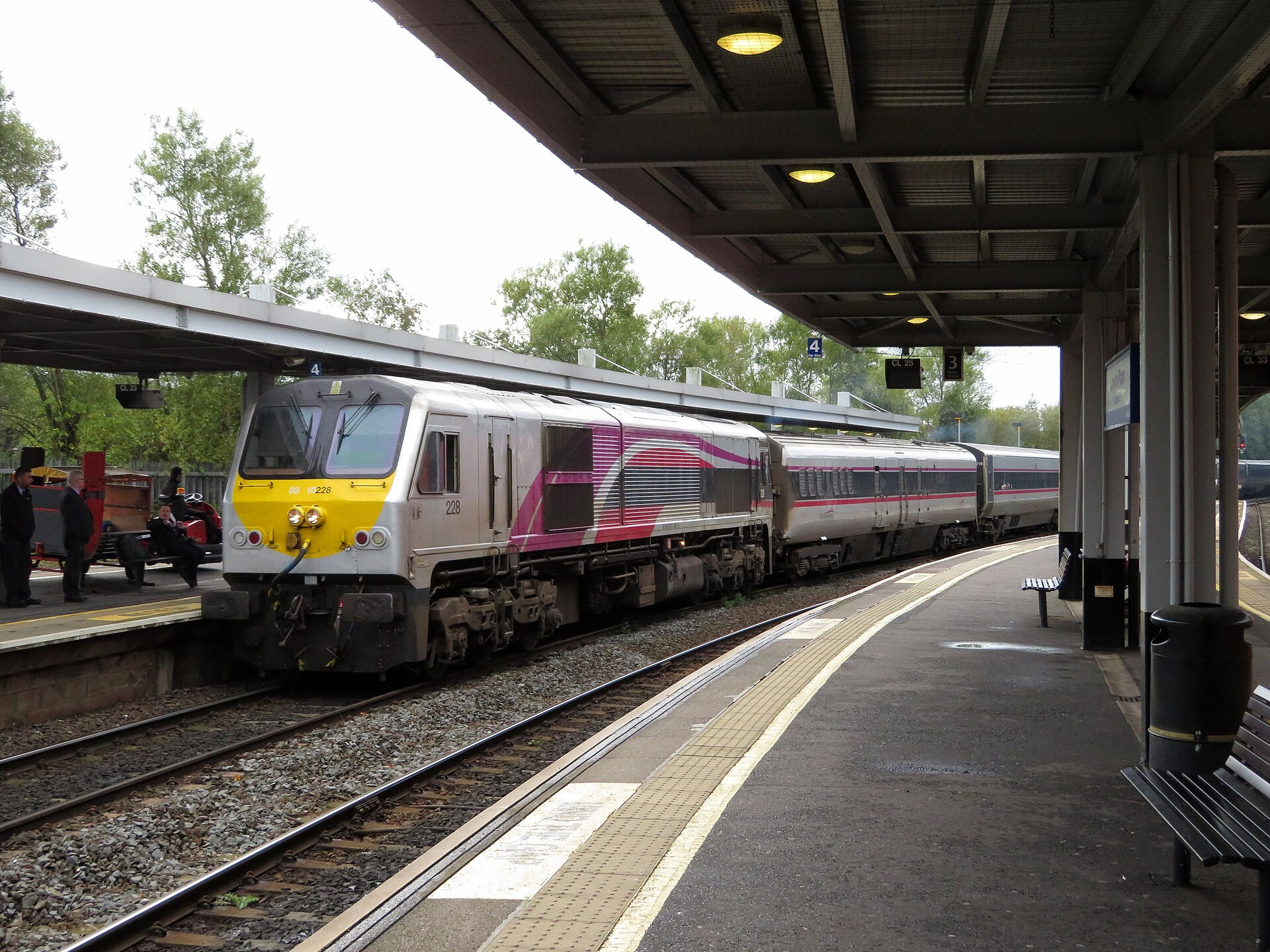 Photo: Gareth James, CC BY-SA 2.0, via Wikimedia Commons
What about buses and coaches?
Buses reach places trains do not.
- Bus Éireann Expressway: The Expressway service sells tickets through expressway.ie, and runs intercity bus routes, including the Donegal services below.
- Citylink: Its routes include Galway to Dublin and Dublin Airport, and Galway to Clifden. Booking online guarantees your seat.
- TFI Local Link: Rural buses timed to connect with Bus Éireann and rail. Some routes serve visitors, such as route 351 from the Cliffs of Moher to Galway. Door to door services need booking at least 24 hours ahead.
Timetables change by season, so use the Transport for Ireland journey planner before any rural trip.
Can you get to Donegal by public transport?
By bus only. Donegal still has no rail network, so you cannot take a train there.
Bus Éireann runs two services from Dublin:
- Route 30 leaves Busáras, calls at Dublin Airport, Cavan and Ballyshannon, and ends at the Abbey Hotel in Donegal Town. It has 12 services a day in each direction.
- Route 32 goes from Busáras via Dublin Airport, Monaghan and Lifford to Letterkenny, with 9 services a day each way.
Donegal Local Link runs buses within the county, and Go Visit Donegal has its contact details. Beaches, cliffs and lighthouses often have no bus at all. Our Donegal from Dublin overnight guide explains the practical options, and Wild Atlantic Way in Donegal shows why distances are the problem. If you want to see Slieve League or the north coast without driving, a Donegal day tour or transfer, for example with McHugh Travel, takes the planning off you.
What changes in Northern Ireland?
Northern Ireland uses sterling and is served by Translink, not the Leap system. The Leap Visitor Card is for the Dublin area, so do not count on it in Belfast. If your trip starts in Northern Ireland, Irish Rail says to book Enterprise through Translink. Roaming rules change there too, so read eSIMs, SIM cards and roaming in Ireland. US visitors also need a UK ETA (£20) for Northern Ireland.
When is a car or private driver the better choice?
Public transport stops working on the Wild Atlantic Way, on peninsulas such as Kerry and Dingle, in Connemara and at remote sights. You may wait hours for a return bus, or find none.
- Hire a car if you are comfortable on narrow roads and want freedom. Read renting a car in Ireland and driving in Ireland tips.
- Use a private driver if you do not want to drive on the left, or you want a guide in the car. Exclusive Tours Ireland offers private driver tours to places such as the Cliffs of Moher and Connemara.
- Compare both in self drive or private driver in Ireland, and see best day trips from Dublin for routes that work by train.
A mixed plan often works best. Take the train between cities, then use a car or driver for the countryside.
Questions people ask
Is public transport good in Ireland?
It is good in Dublin and between major cities. In rural areas, buses are infrequent and many scenic places have no service.
How much is the Leap Visitor Card?
It is €8 for 24 hours, €18 for 72 hours and €24 for 7 days, according to Dublin Bus. It is valid in the Dublin area only.
Is there a train to Donegal?
No. Donegal has no rail network, so you take a bus or drive.
Can I use the Leap card in Northern Ireland?
The Leap Visitor Card is for the Dublin area, so plan on Translink tickets in Northern Ireland, paid in sterling.
Should I book Irish trains in advance?
For longer journeys, yes, because advance fares are cheaper but less flexible. Short Dublin journeys do not need booking.
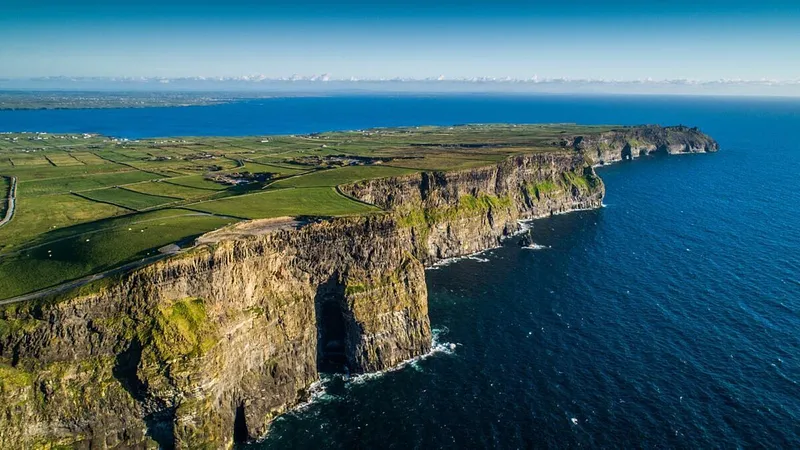
Can I get to the Cliffs of Moher by public transport?
Yes, in part. Local Link route 351 runs between the Cliffs of Moher and Galway, so check seasonal times first.
Sources
- Adult fares and tickets, Dublin Bus
- Dublin Airport hub, Dublin Bus
- Visitor travel information, Transport for Ireland
- TFI 90 Minute Fare, Transport for Ireland
- TFI Local Link, Transport for Ireland
- Transport for Ireland
- How to get from Dublin Airport to city centre, Aircoach
- Dublin Express single ticket, DoDublin
- Dublin Express
- Irish Rail
- Take the Enterprise service to Belfast, Irish Rail
- Dublin Cork timetable, Irish Rail
- Dublin Galway timetable, Irish Rail
- Waterford Clonmel Limerick Junction timetable, Irish Rail
- Dublin Sligo timetable, Irish Rail
- Dublin Tralee timetable, Irish Rail
- Train travel in Ireland, Seat61
- Bus Éireann
- Route 30, Bus Éireann
- Route 32, Bus Éireann
- Fares, Citylink
- Local Link, Go Visit Donegal
- Donegal forgotten county in terms of rail, RTÉ
- Translink
Read next: Self drive or private driver in Ireland
Cover photo: Aaqid Masoodi, via Unsplash.
See it with a local guide
Private tours across Ireland, run by the guides themselves. Ask a question or request a date, nothing to pay until they confirm.
Browse tours