In Ireland, eat a full Irish breakfast, brown soda bread with butter, a bowl of seafood chowder, fresh oysters with a pint of Guinness, Irish stew and boxty, the potato pancake. The best places to try them are coastal pubs for seafood, country hotels and B&Bs for breakfast, and covered markets like Cork’s English Market. In Dublin, a guided food tour with Flavour Trails covers several dishes in 3 hours.
The full Irish breakfast
The full Irish is a fried breakfast: rashers (Irish bacon), sausages, eggs, grilled tomato, and black and white pudding. White pudding is a pork sausage with oatmeal and spices, milder than black pudding. Most places serve it with toast or brown bread and a pot of tea.
Where to try it: your B&B or hotel. Almost every one includes it. Cafés serve it until late morning, and some all day.
In Northern Ireland, order an Ulster fry. The key difference is the soda farl, a flat soda bread cooked in the pan with the bacon and sausages.
A full Irish will keep you going until mid afternoon. On a long day trip, eat a big breakfast and plan a light lunch, so you are not watching the clock for a food stop.
Soda bread
Irish soda bread uses bread soda instead of yeast, so it needs no time to rise. It became popular in the 1830s because it was cheap and quick to make. The brown version is dense and nutty. Tourism Ireland suggests eating it with smoked salmon and Irish butter.
Where to try it: everywhere. It comes with soup and chowder in most pubs. A slice with real Irish butter is one of the simple pleasures of a trip here.
Seafood chowder
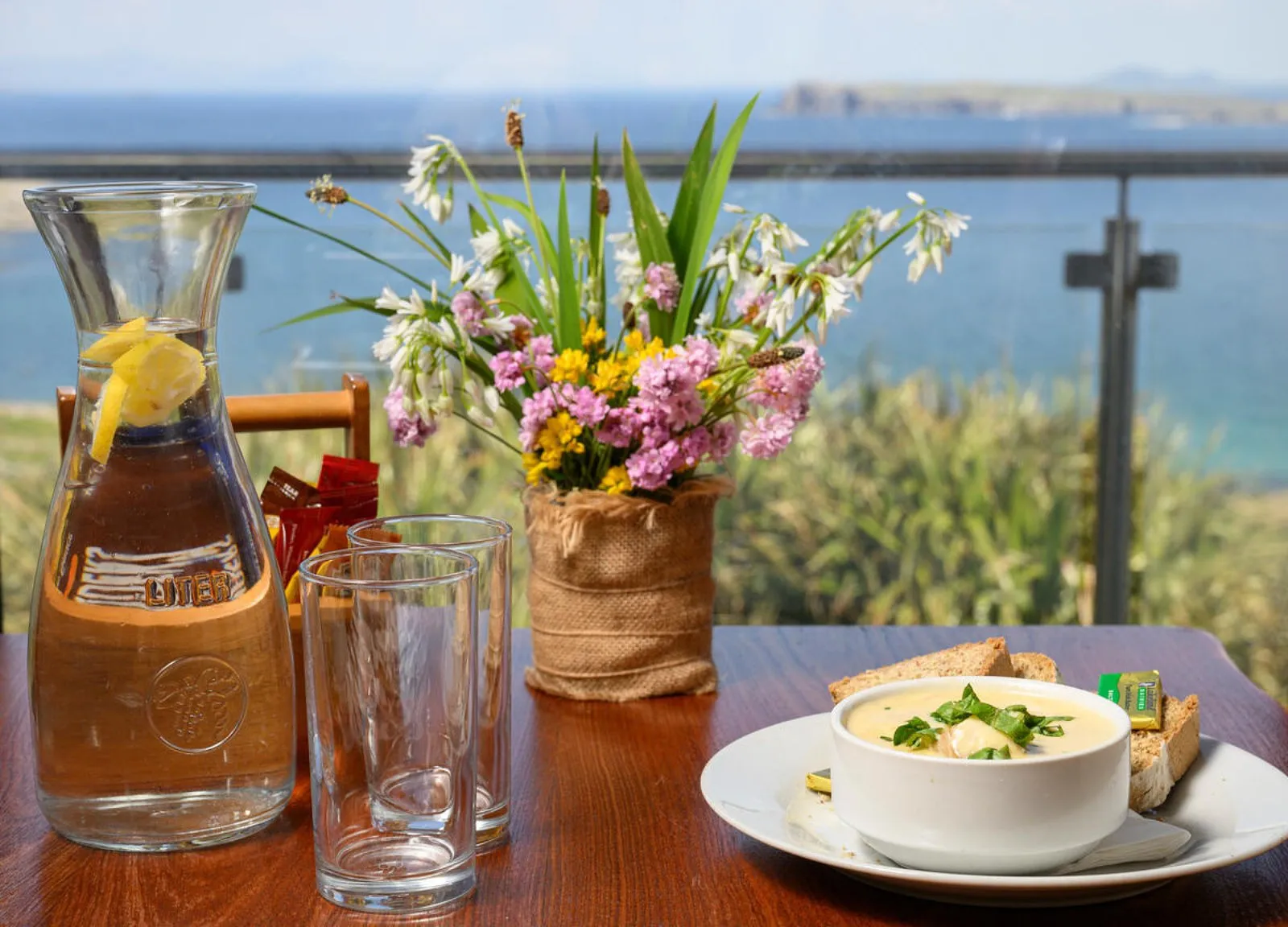
Irish seafood chowder is a creamy soup thick with white fish, smoked fish and salmon, and sometimes mussels or prawns. It is a standard on pub menus along the coast. In Doolin, County Clare, McDermott’s makes it with local white fish, smoked fish and salmon and serves it with brown bread.
Where to try it: any good pub on the west coast, especially around Galway, Clare and Kerry. Ask if it is made in house.
Oysters and Guinness
Irish oysters come from cold, clean Atlantic water. Tourism Ireland names Donegal, Galway Bay, Clew Bay and Carlingford Lough among the best growing areas, and the traditional pairing is a pint of Guinness.
Where to try them: Galway is the classic place. The Galway International Oyster and Seafood Festival runs every September. In 2026 it ran from 25 to 27 September, with the main events free. In Belfast, try Mourne Seafood Bar. If you are heading west, our Galway day trip guide has the timings.
Guinness
You will see Guinness in every pub, and it is worth trying at the source. Order a pint and give the barman time. A proper pour is done in 2 stages.
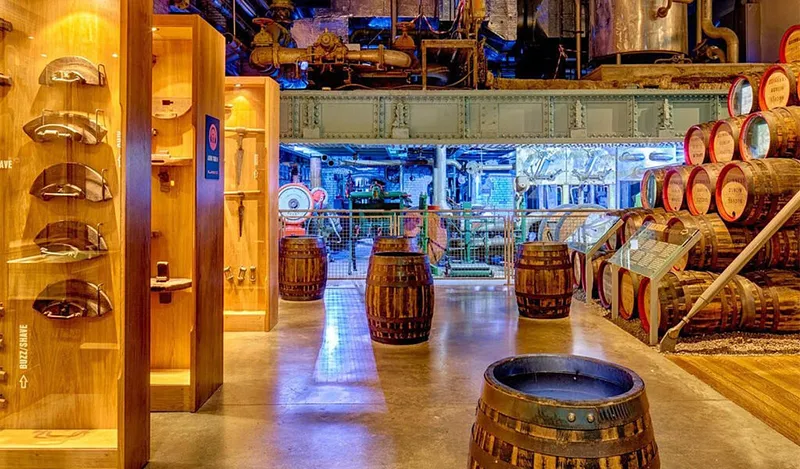
Where to try it: any busy pub, where the beer moves fast. For the history, the Guinness Storehouse in Dublin includes a drink in the Gravity Bar. Adult tickets start from about €26 in 2026. Book online.
Irish stew
Irish stew is lamb or mutton slow cooked with root vegetables, and some versions use beef. Many people call it the national dish. Good Irish lamb, from Connemara, Kerry or the Mournes, makes a real difference.
Where to try it: traditional pubs, especially in winter. It is a good order on a cold, wet day after a long walk.
Boxty
Boxty is a potato pancake made from a mix of mashed and grated potato. It is most at home in the north west, in counties like Sligo and Donegal. You eat it plain with butter, or wrapped round a filling.
Where to try it: in Dublin, Gallagher’s Boxty House in Temple Bar has specialised in it since the 1980s. In the north west, look for it on pub menus.
A few more to look out for
- Colcannon. Mashed potato with cabbage, often served with ham or bacon.
- Barmbrack. A fruit bread with raisins and sultanas, linked to Halloween, with trinkets baked inside that are said to tell your fortune.
- Smoked salmon. Irish smoked salmon is excellent. Buy some to bring home if your customs rules allow.
The best food markets
Markets are the easiest way to taste a lot in one go.
- English Market, Cork. A covered food market in the centre of Cork, open Monday to Saturday, 8:30am to 6pm. Closed on Sundays and bank holidays.
- St George’s Market, Belfast. Friday 8am to 2pm, Saturday 9am to 3pm and Sunday 10am to 3pm. Saturday is the food and craft day.
- Galway Farmers Market. Beside St Nicholas’ Church, on Saturdays from 8:30am and Sunday afternoons.
Take a food tour in Dublin
A guided food tour is the quickest way to try several dishes with someone explaining what you are eating. Flavour Trails runs daily food tours in Dublin, and private tours in Wicklow, Clare and Donegal.
- Irish Food Trail. About 3 hours, from €95 per person. A traditional 3 course meal paired with local beers or ciders, spread over at least 3 pubs and restaurants. You also learn to make an Irish coffee. It starts at the Powerscourt Townhouse Centre on South William Street. Ages 18 and over.
- Taste Trail. About 2 hours, from €85 per person. A shorter option.
Vegetarian and gluten free needs can usually be met on the Irish Food Trail. Contact Flavour Trails at least 24 hours before your tour.
For the pubs to go to after dinner, see traditional Irish music in Dublin pubs. For a full day plan with lunch built in, read one day in Dublin.
Questions people ask
What is the national dish of Ireland?
Irish stew is usually called the national dish. It is lamb or mutton cooked slowly with root vegetables.
What is in a full Irish breakfast?
Rashers, sausages, eggs, grilled tomato, black pudding and white pudding, usually with toast or brown bread and tea. Some places add mushrooms or beans.
What is the difference between a full Irish and an Ulster fry?
They are very similar. An Ulster fry in Northern Ireland includes soda farls, a flat soda bread fried in the pan with the meat.
What food is Ireland famous for?
Seafood, lamb, dairy and potatoes. Visitors usually try the full Irish, soda bread, seafood chowder, oysters, Irish stew and boxty, along with a pint of Guinness.
Where is the best food in Ireland?
Good food is everywhere, but Cork, Galway and the west coast stand out for seafood and markets. Dublin has the widest choice of restaurants and food tours.
Read next: Traditional Irish music in Dublin pubs
Sources
- Things to eat in Ireland, Intrepid Travel
- Traditional Irish food, Tourism Ireland
- Fries, farls and bakes, The Irish Times
- Galway International Oyster and Seafood Festival 2026, Discover Ireland
- Frequently asked questions, Guinness Storehouse
- Gallagher’s Boxty House home page, Gallagher’s Boxty House
- English Market opening hours, Cork City Council
- Information about St George’s Market, Belfast City Council
- Galway Farmers Market, Discover Ireland
- Flavour Trails home page, Flavour Trails
- Irish Food Trail, Flavour Trails
Cover photo: MICHAEL MCLAUGHLIN / Fáilte Ireland, via Ireland’s Content Pool.
See it with a local guide
Private tours across Ireland, run by the guides themselves. Ask a question or request a date, nothing to pay until they confirm.
Browse tours