The best time to visit Ireland for most first time visitors is May, June or September. You get long days, some of the driest weather of the year, and smaller crowds and lower prices than in July and August. If you want the cheapest trip and can live with short, wet days, go in November, January or February.
What is the weather like in Ireland?
Ireland’s weather is mild and changeable in every month. Expect some rain on any trip, even in summer.
- Inland summer days usually reach about 18 to 20°C (64 to 68°F). Winter days reach about 8°C (46°F), according to Met Éireann.
- April and May are the driest months. December is the wettest, with October, November and January close behind (Met Éireann rainfall).
- The west gets more rain than the east. Dublin and the east coast are among the drier parts of the country.
- May and June are the sunniest months, with about 5 to 6.5 hours of sunshine a day in most places (Met Éireann sunshine).
Snow is rare at low levels. Frost and ice on rural roads in winter mornings are a bigger problem for drivers.
How much daylight will you get?
Daylight changes far more than temperature, and it matters more for planning.
- Around 21 June, the sun rises in Dublin just before 5am and sets just before 10pm. That is about 17 hours of daylight (Gaisma).
- Around 21 December, sunrise is about 8:40am and sunset about 4:10pm. That is about 7.5 hours.
- In March and September you get roughly 12 hours.
In winter, plan drives so you are not on small country roads after dark. In summer, you can reach a viewpoint at 8pm and still have hours of light. Read our driving tips for American drivers before you plan long winter drives.
Ireland month by month
January and February
These are quiet, cheap months. Hotels and car hire cost less, and the big sights are calm. Days are short and often wet and windy. Some seasonal attractions close or cut their hours, so check before you go. St Brigid’s Day is a public holiday on the first Monday in February (Citizens Information). Six Nations rugby matches in Dublin can push up hotel prices on match weekends.
March
March means St Patrick’s Day. The Dublin festival runs from 13 to 17 March in 2027 (St Patrick’s Festival). Dublin hotels are expensive that week, so book months ahead. The weather is still unsettled. In 2027 Easter also falls in March, with Easter Monday on 29 March, so expect school holiday crowds.
April and May
April and May are the driest months on average. Easter school holidays raise prices for a week or two. May is one of the best months to visit: long days, gardens in bloom and fewer coaches than summer. The Skellig Michael landing season usually starts in mid May, weather permitting (Heritage Ireland).
June
June has the longest days of the year. It is busy but not as busy as July. Dublin marks Bloomsday on 16 June, the day James Joyce set Ulysses. The June public holiday is the first Monday of the month.
July and August
This is peak season. Schools are off in Ireland, Britain, Europe and the US, so prices for hotels, flights and rental cars are at their highest. The Galway International Arts Festival runs for 2 weeks in July (13 to 26 July in 2026, according to Ireland.com). The Rose of Tralee festival is in August. Book Killarney, Dingle and Galway rooms early, and visit the big sights early in the morning or late in the evening.
September and October
September is often the best month of all. Schools are back, prices drop and the weather can be settled. October is good too, but days shorten fast and the Halloween school break in late October lifts hotel prices. The October public holiday is the last Monday of the month. The Skellig Michael season ends in September.
November and December
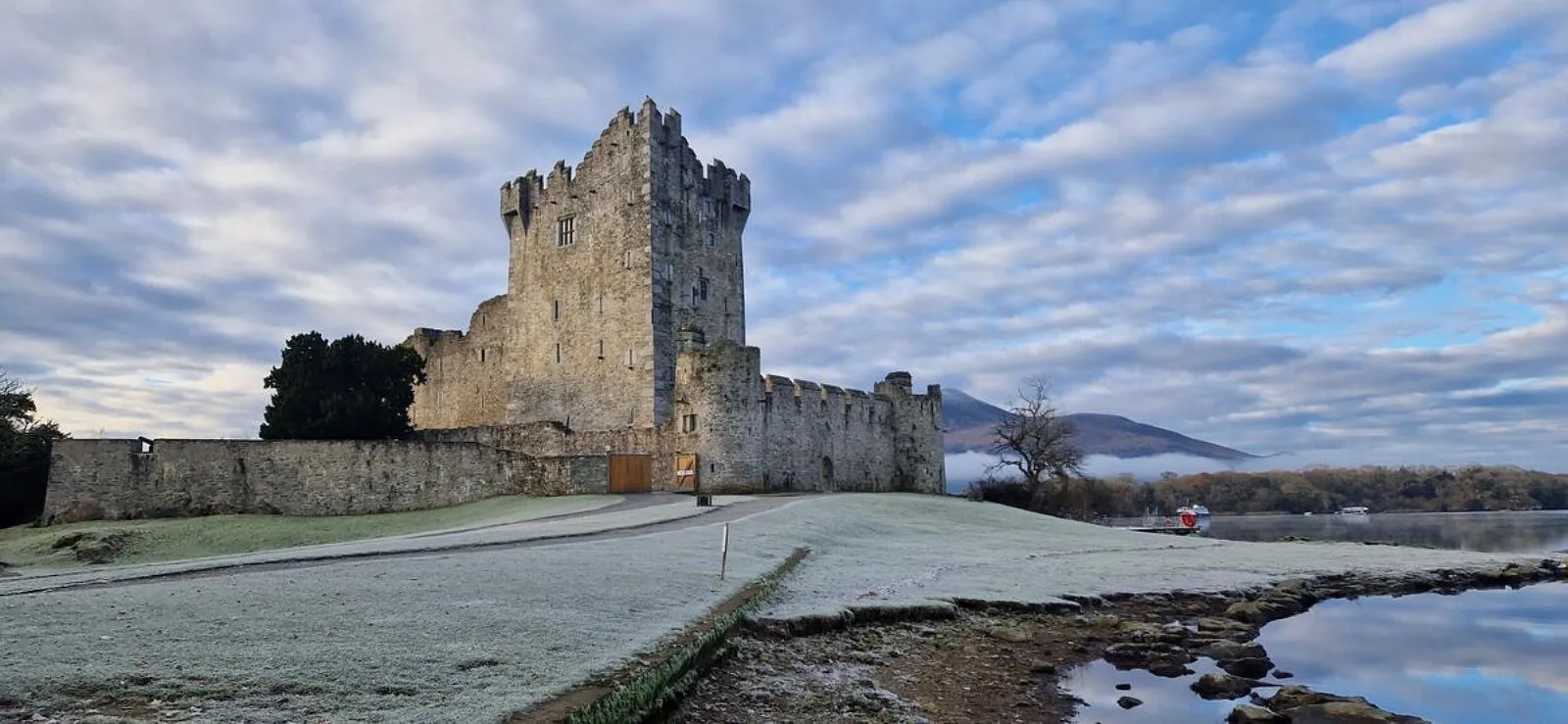
November is short, wet and the cheapest month of the year to visit. December brings Christmas markets and lights. Many attractions close over Christmas. Kilmainham Gaol, for example, closes from 24 to 27 December (Heritage Ireland). Newgrange closes from 23 to 27 December and on 1 January (Heritage Ireland). Expect very limited services on Christmas Day and St Stephen’s Day, and check opening times for every stop.
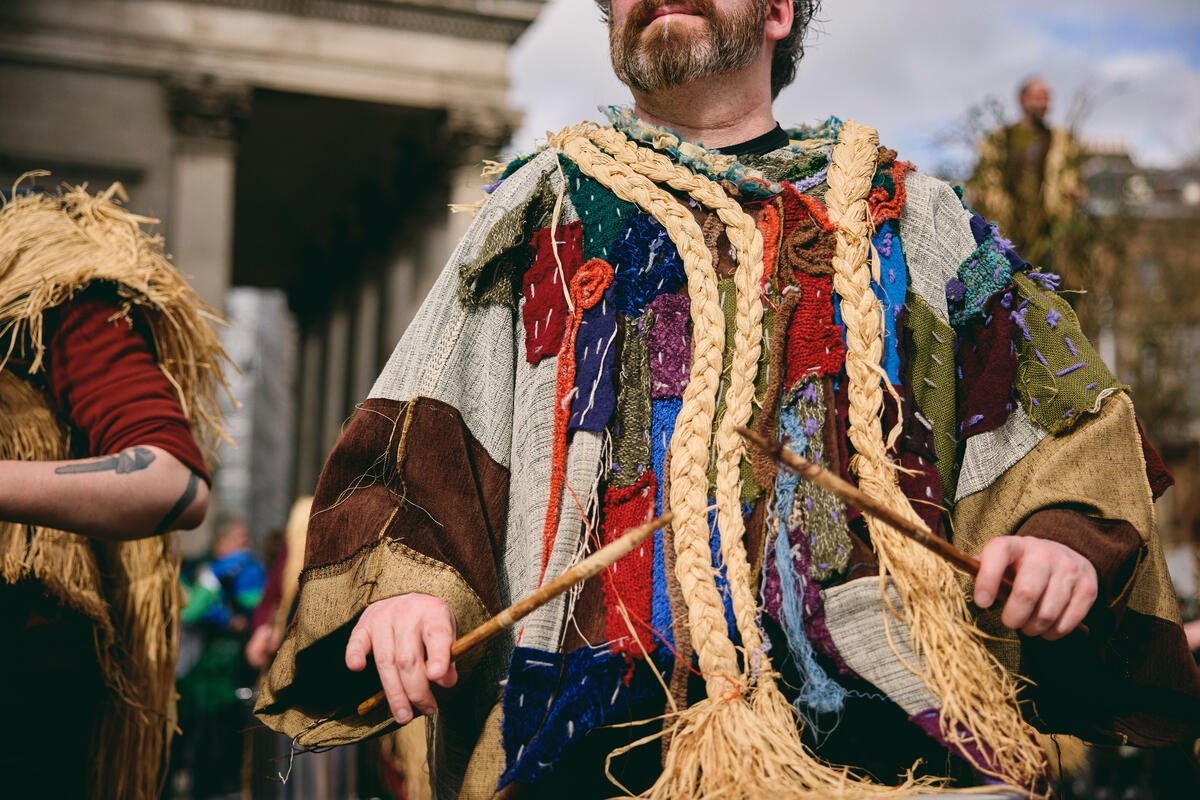
Photo: Jaywalk / Tourism Ireland, via Ireland’s Content Pool
When is Ireland cheapest?
The cheapest months are November, January and February. Avoid the week of St Patrick’s Day, Easter, the Christmas period and big rugby weekends if price matters most.
Summer is the most expensive time for everything. Automatic rental cars also sell out first in summer, so book early if you need one (Ireland.com). For a full breakdown, see how much a trip to Ireland costs in 2026.
How busy are the big sights?
The main sights are busy from Easter to October and very busy in July and August. Timed tickets sell out, so book these as soon as your dates are fixed:
- Book of Kells at Trinity College: timed entry, booked online (Visit Trinity).
- Kilmainham Gaol: guided tour only, booked online on the official site.
- Newgrange: tickets open 30 days ahead for visits from April to 1 November, and 7 days ahead in winter (Heritage Ireland).
Our guide to Ireland attractions to book in advance lists the rest.
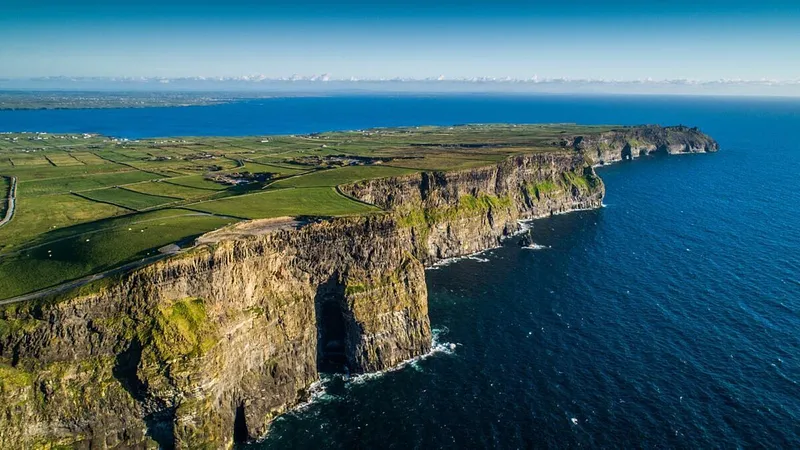
In summer, arrive at the Cliffs of Moher or the Giant’s Causeway before 10am or after 5pm. You skip the coach crowds and get better light for photos.
Which month is best for what?
- Best all round: May, June and September.
- Longest days: June.
- Festivals: March, July and August.
- Lowest prices: November, January and February.
- Skellig Michael boat trips: June to early September is the safest window.
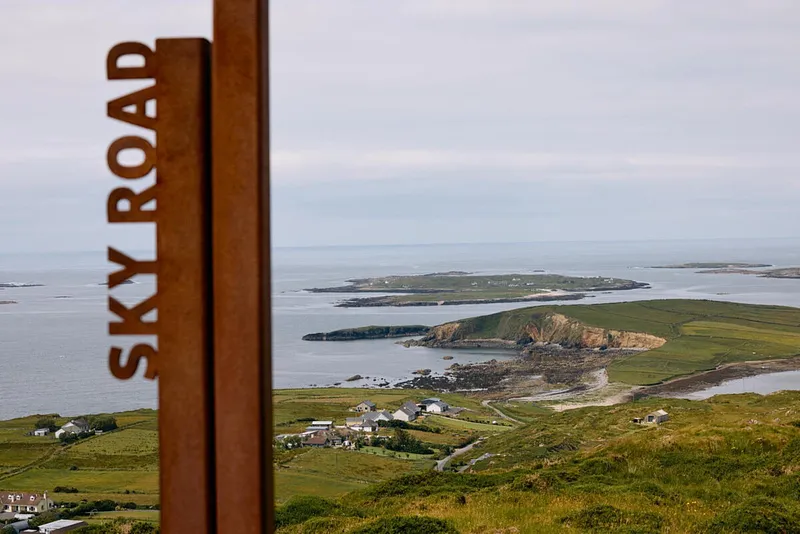
- Road trips in Donegal and the west: May to September, when long evenings give you time to stop.
However long you stay, the season changes how much you fit in each day. Our guide to how many days you need in Ireland explains how to plan around it.
Questions people ask
What is the rainiest month in Ireland?
December is the wettest month on average, according to Met Éireann. October, November and January are close behind. April and May are the driest.
What is the cheapest month to go to Ireland?
November, January and February are usually the cheapest months for hotels, flights and car hire. Avoid Christmas, St Patrick’s week and big rugby weekends.
Is Ireland worth visiting in winter?
Yes, if you plan around short days. Dublin, Belfast and Galway work well in winter. Keep long drives for daylight hours, and check that seasonal attractions are open.
Is September a good time to visit Ireland?
Yes. September has long enough days, smaller crowds than summer and lower prices. The weather is often settled, though you should still pack a rain jacket.
Do I need to book early for St Patrick’s Day in Dublin?
Yes. Dublin hotels fill up and prices rise for the festival week. Book your room as soon as you know your dates.
Read next: What to pack for Ireland in any season
Sources
- Temperature, Met Éireann
- Rainfall, Met Éireann
- Sunshine, Met Éireann
- Dublin sunrise, sunset and day length, Gaisma
- Public holidays, Citizens Information
- Your visit, St Patrick’s Festival
- Galway International Arts Festival, Ireland.com
- Renting a car in Ireland, Ireland.com
- Sceilg Mhichíl (Skellig Michael), Heritage Ireland
- Kilmainham Gaol, Heritage Ireland
- Brú na Bóinne Visitor Centre, Heritage Ireland
- Book of Kells Experience, Visit Trinity
- Best time to travel to Ireland, The Irish Road Trip
- The best time to visit Ireland, Lonely Planet
Cover photo: Celia Kearney / Fáilte Ireland, via Ireland’s Content Pool.
See it with a local guide
Private tours across Ireland, run by the guides themselves. Ask a question or request a date, nothing to pay until they confirm.
Browse tours