Americans do not need a visa to visit Ireland for up to 90 days, but you do need a UK ETA (£20) if you cross into Northern Ireland, and your credit card probably will not cover a rental car here. Beyond the paperwork, the biggest surprises are how long drives take on small roads, how early some attractions sell out, and how tipping works. Here are 25 things I tell every American visitor before they land.
Before you fly
1. You do not need a visa, but check your passport
US citizens can visit Ireland for up to 90 days without a visa. Your passport must be valid for the whole stay, according to the US State Department.
2. Get a UK ETA if you are going to Northern Ireland
Northern Ireland is part of the UK. Since 2025, Americans need an Electronic Travel Authorisation to visit, even on a day trip from Dublin. The fastest roads from Dublin to Donegal cross Northern Ireland too. It costs £20, lasts 2 years, and most people get a decision within minutes, but Tourism Ireland advises allowing 3 working days. Apply on the official GOV.UK page or app, not a lookalike site. More in Ireland vs Northern Ireland.
3. Book the 3 tickets that sell out
Kilmainham Gaol releases tickets 28 days ahead. Newgrange opens 30 days ahead in summer and only 7 days ahead in winter. The Book of Kells sells timed slots that go fast. The full list is in Ireland attractions to book in advance.
4. Do not rely on your credit card for car rental cover
The standard Visa and Mastercard rental car benefits exclude cars rented in the Republic of Ireland and Northern Ireland, as NerdWallet explains. Some premium cards are different, so get written confirmation from your card issuer before you rely on it. Otherwise, budget for the rental company’s cover.
5. Pack a Type G adapter
Ireland and Northern Ireland use the 3 pin Type G plug at 230 volts, the same as Britain, per Go To Ireland. Phone and laptop chargers handle the voltage. Hair dryers and straighteners from the US often do not.
Money
6. Two currencies on one island
The Republic uses the euro. Northern Ireland uses pound sterling, per Tourism Ireland. US dollars are not accepted anywhere.
7. Cards work almost everywhere, Amex less so
Visa and Mastercard are taken nearly everywhere. American Express is accepted in some places but not all. Tapping your card or phone is normal, and taxis must take cards. Carry a little cash for small cafés, market stalls and tips.
8. Always pay in the local currency
When a card machine offers to charge you in dollars, say no and pay in euros or pounds. The machine’s exchange rate is usually worse than your bank’s.
9. Tipping is smaller than at home
In a restaurant with table service, about 10% is normal for good service, and over 15% is rare, per The Irish Road Trip. Nobody tips for a drink ordered at the bar. Check the bill first: by Irish law, anything called a “service charge” has to go to staff, according to the Workplace Relations Commission.
10. Prices include tax
The price on the shelf or menu is the price you pay. Non-EU visitors can reclaim VAT on many shop purchases taken home. See money, cards and tipping in Ireland.
Getting around
11. Ireland is small, but the drives are slow
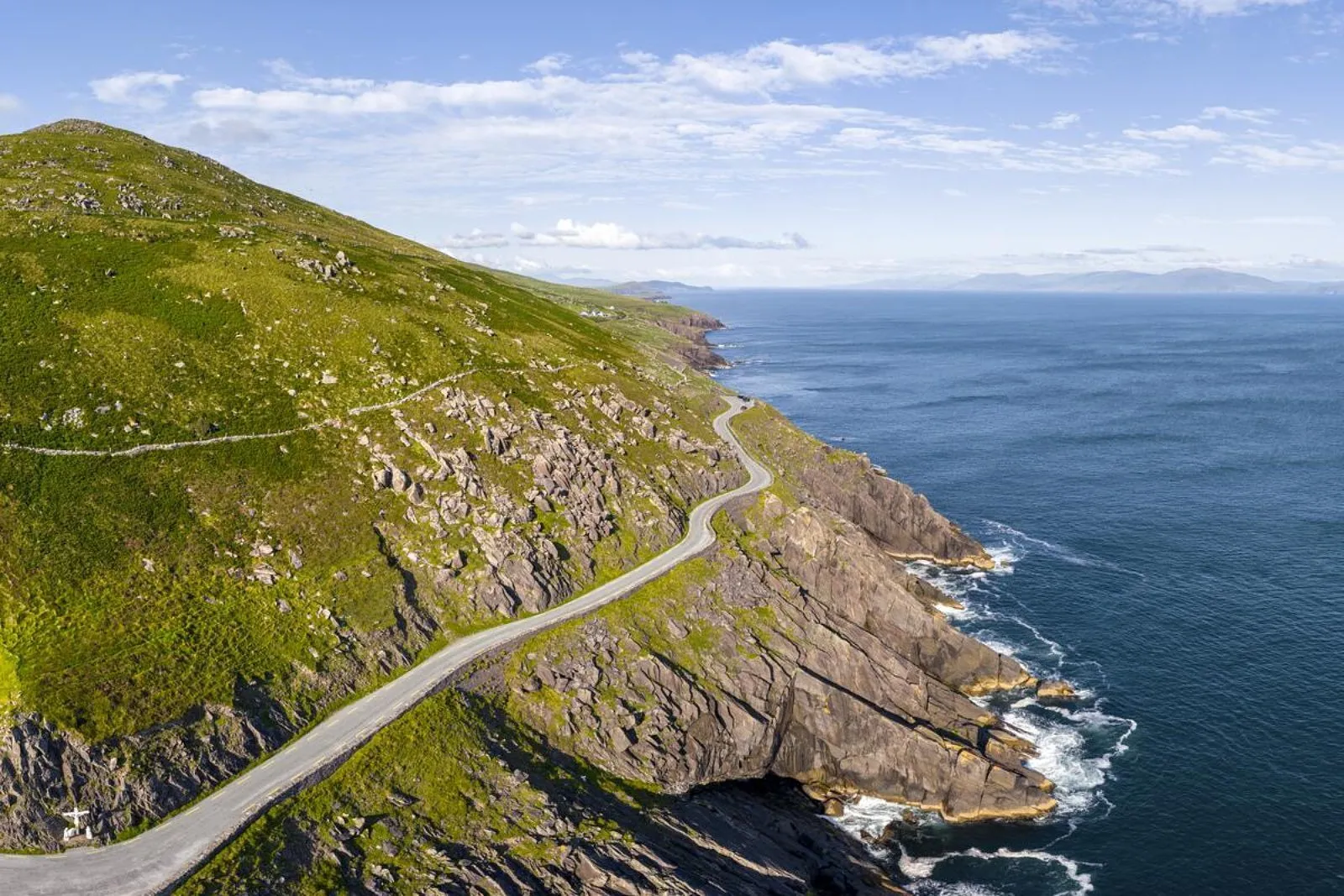
Dublin to Galway is about 209 km (130 miles) and Dublin to Killarney about 303 km (188 miles). On a map that looks easy. In practice, the last hour of most trips is on narrow, winding roads behind tractors and tour coaches. Plan for no more than 3 hours of driving on a sightseeing day.
12. The speed limits dropped in 2025
Speed limits in the Republic are in kilometres per hour. The default on rural local roads fell from 80 km/h to 60 km/h (about 37 mph) in February 2025, per gov.ie. Cross into Northern Ireland and limits switch to miles per hour: 60 mph on single carriageways and 70 mph on motorways, per nidirect.
13. Driving on the left is the easy part
Most Americans adjust in an hour. The hard parts are roundabouts, stone walls on both sides and a manual gearbox. Book an automatic early, because they are the first to go. Our driving in Ireland tips cover the rest.
14. You do not need a car for Dublin
Dublin is compact and walkable, with taxis, buses, the Luas tram and DART trains. Pick up a rental car on the day you leave the city, not the day you land.
15. The train to Belfast is easy
The Enterprise train between Dublin and Belfast runs hourly, per the Irish Times, and takes a little over 2 hours. It is often easier than driving into Belfast.
Weather and daylight
16. It can rain any day, so pack layers
The average year has about 1,288 mm of rain, and the west and north have got wetter, per Met Éireann figures on gov.ie. Bring a hooded rain jacket and shoes that can get wet. Umbrellas are useless in coastal wind.
17. May and June are the sunniest months
May averages the most sunshine, followed by June. Summer evenings stay bright late, which gives you long sightseeing days. Winter days are short, so plan driving for the morning. See the best time to visit Ireland.
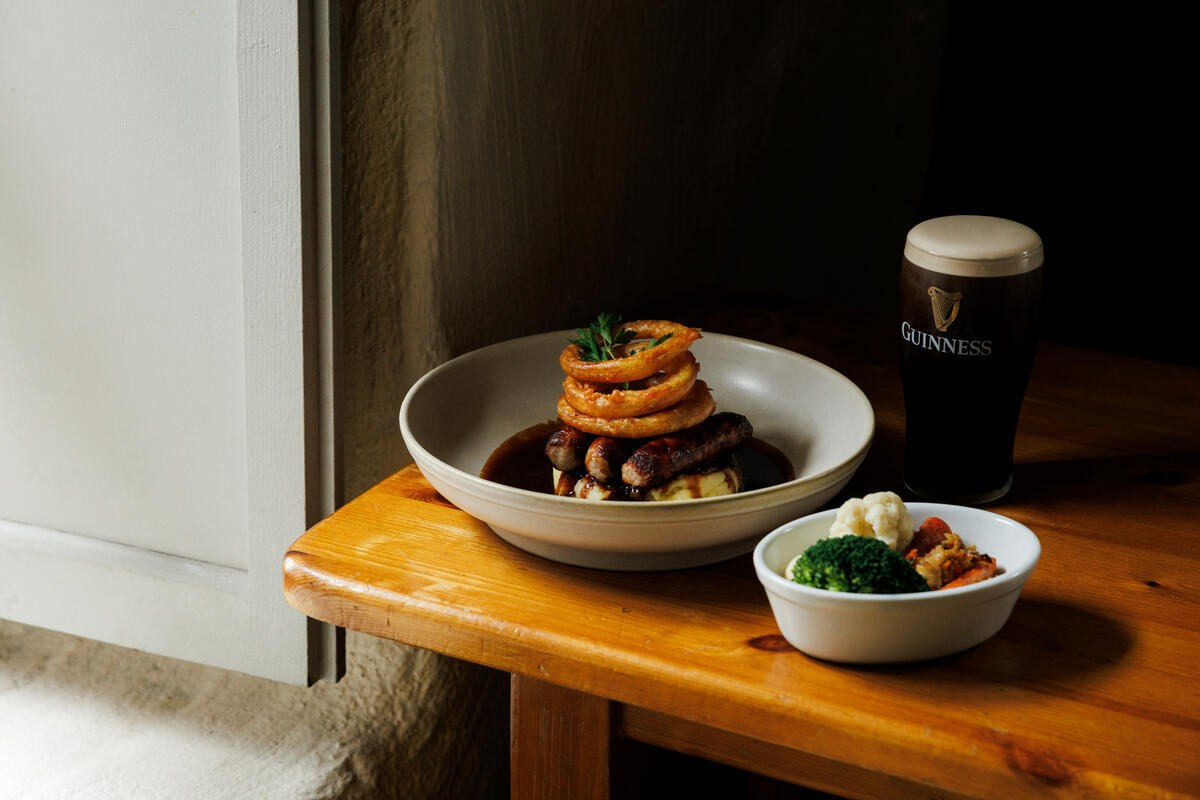
Photo: Kirsty Lyons Photography / Fáilte Ireland, via Ireland’s Content Pool
Pubs, food and manners
18. Order at the bar unless someone comes to you
In most pubs you order drinks at the bar and pay as you go. In a group, locals buy “rounds”, each person taking a turn. If you join a round, buy yours.
19. Trad music sessions are not a show
At a traditional music session the musicians are playing for each other as much as for you. Keep chat low near them, do not ask for requests, and buy a drink for the session if you are enjoying it. Our guide to traditional music pubs in Dublin lists the reliable ones.
20. Eat the simple things
Brown bread, chowder, a fry, fresh fish and a good stew are what Ireland does best. Pub kitchens often stop serving before the bar closes, so eat earlier than you would at home. A food tour with Flavour Trails is a fast way to find the good places.
Sightseeing
21. Some big Dublin sights are closed
Dublin Castle is closed to the public until Monday 4 January 2027 while Ireland hosts the EU Council Presidency, according to Dublin Castle. The Chester Beatty on the castle grounds is closed until the end of December 2026, per Visit Dublin, and the Hugh Lane Gallery closed in September 2025 for at least 3 years, per Dublin City Council.
22. You cannot drive to Newgrange
All visits start at the Brú na Bóinne Visitor Centre, with a shuttle bus to the tomb. Heritage Ireland warns that you will not get in if you go straight to the monument, per Heritage Ireland.
23. Go to the Cliffs of Moher early or late
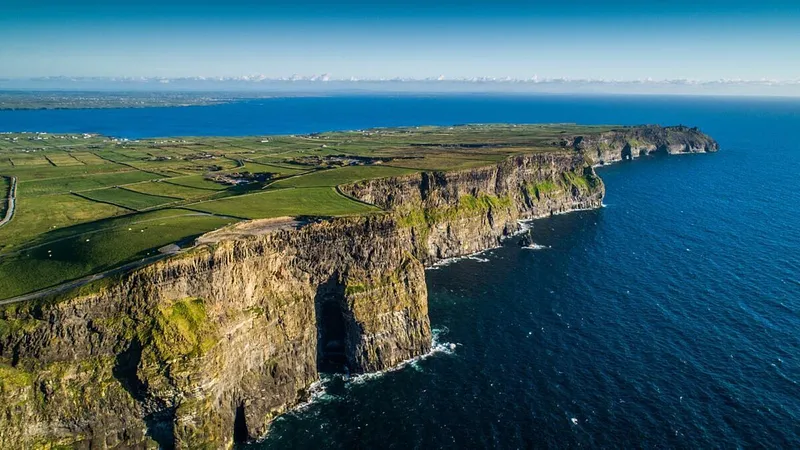
The busiest hours are 11am to 4pm, per the Cliffs of Moher FAQ. Booking online is cheaper and includes parking. Most coach tours arrive in the middle of the day.
Staying safe and connected
24. Dial 112 or 999 in an emergency
Both numbers work across the island and are free from any phone, per gov.ie.
25. Tap water is safe to drink
Public water quality is high, with 99.8% of samples meeting microbiological limits in 2025, according to the EPA. Skip bottled water, but follow any local boil water notice if one is in place.
Plan one region well rather than 5 regions badly. Two nights in each place gives you a full day that is not spent in the car.
If you would rather not drive, a private driver guide such as Exclusive Tours Ireland can cover the long days, like the Giant’s Causeway from Dublin.
Questions people ask
These are the short answers. For 40 more, see our Ireland FAQs for first time visitors.
Do US citizens need a visa for Ireland?
No. US citizens can visit Ireland without a visa for up to 90 days. Your passport must be valid for your whole stay.
Do Americans need an ETA for Northern Ireland?
Yes. Americans need a UK ETA to visit Northern Ireland, including day trips from Dublin. It costs £20 and is valid for 2 years.
Can I use US dollars in Ireland?
No. The Republic uses euros and Northern Ireland uses pounds sterling. Pay by card or withdraw local cash from an ATM.
Do I need an adapter in Ireland?
Yes. Ireland uses Type G plugs with 3 rectangular pins at 230 volts. Most phone and laptop chargers work with just an adapter.
Should I tip in Ireland?
Tip about 10% for good table service in restaurants if no service charge has been added. You do not tip for drinks at the bar.
Sources
- Ireland international travel information, US Department of State
- Electronic Travel Authorisation, Tourism Ireland
- Apply for an electronic travel authorisation (ETA), GOV.UK
- What your credit card rental car coverage doesn’t include, NerdWallet
- Electrical plugs in Ireland, Go To Ireland
- Money in Ireland, Tourism Ireland
- FAQs, Guinness Storehouse
- Tipping in Ireland, The Irish Road Trip
- Tips and gratuities, Workplace Relations Commission
- Speed limits on rural local roads change from 80km/h to 60km/h, gov.ie
- Speed limits and penalties, nidirect
- Dublin to Belfast train link expanded to hourly service, Irish Times
- Met Éireann publishes Ireland’s new climate averages for 1991 to 2020, gov.ie
- Dublin Castle, OPW
- Chester Beatty, Visit Dublin
- Hugh Lane Gallery, Dublin City Council
- Brú na Bóinne Visitor Centre, Heritage Ireland
- FAQ, Cliffs of Moher Experience
- How to contact emergency services in Ireland, gov.ie
- Drinking water is safe but long-term resilience must improve, EPA
- Driving distances, Project OSRM (OpenStreetMap routing)
Cover photo: GARETH WRAY / Tourism Ireland, via Ireland’s Content Pool.
See it with a local guide
Private tours across Ireland, run by the guides themselves. Ask a question or request a date, nothing to pay until they confirm.
Browse tours